PRO TIPS
Simple Steps for Smoother Finishes
Choosing the Right Brush
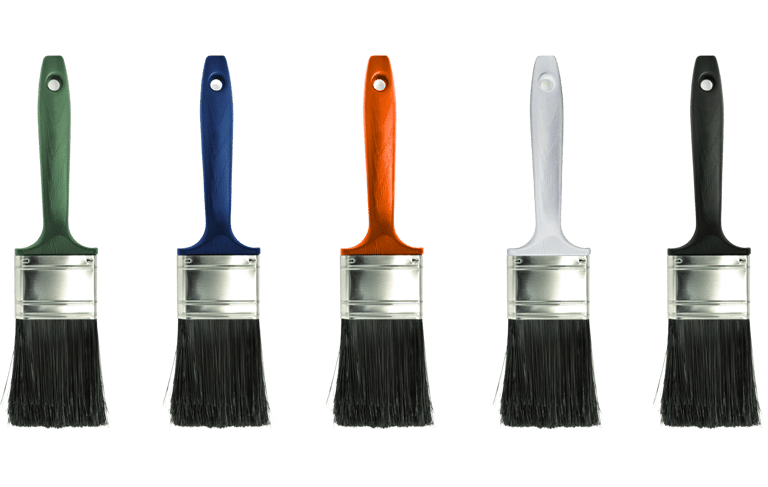
Choosing the right brush comes down to matching bristle type, filament stiffness, and brush shape to the coating you’re using and the surface you’re working on. Synthetic filaments (nylon, polyester, or blends) are the standard for modern waterborne paints because they hold their shape, release paint evenly, and resist swelling. Stiffer filaments help you cut clean lines with thicker paints, while softer filaments give you smoother finishes on trim and doors. Brush width matters too: 2–2½″ angled sash brushes give you control for cutting‑in, while 3–3½″ straight brushes move more paint on broad surfaces. A well‑chosen brush improves coverage, reduces drag, and delivers a cleaner, more consistent finish with less effort.
Choosing the Right Roller Cover
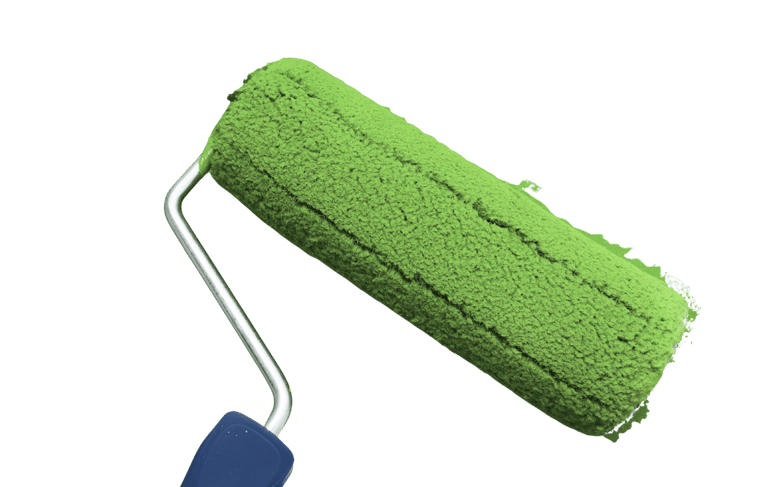
Choosing the right roller cover comes down to nap thickness, fabric type, and surface profile. Short‑nap covers (¼–⅜″) lay down the smoothest finish on doors, trim, and fine drywall, while medium naps (½″) are the standard for most interior walls. For rougher surfaces like stucco or textured plaster, thicker naps (¾–1¼″) hold more paint and reach into low spots. Fabric choice matters too: microfiber gives you smoother finishes with fewer stipple marks, while woven or knit polyester handles higher‑build paints and rougher substrates. A properly matched roller cover improves coverage, reduces splatter, and delivers a more consistent finish with less effort.
Choosing the Right Paint
Choosing the right paint starts with understanding where it’s going and how it needs to perform. Interior paints focus on washability, smoothness, and low odor, while exterior paints prioritize durability, UV resistance, and weather protection. Higher‑quality paints cover better, last longer, and save time because they level out more smoothly and often need fewer coats. Sheen matters too: flats hide imperfections, eggshells and satins balance durability with a soft look, and semi‑gloss is the go‑to for trim and doors. Whether you’re painting a bedroom, a kitchen, or a full exterior, choosing a paint that matches the surface, traffic level, and exposure makes the job easier and the results noticeably better.
Ideal Weather for Exterior Projects
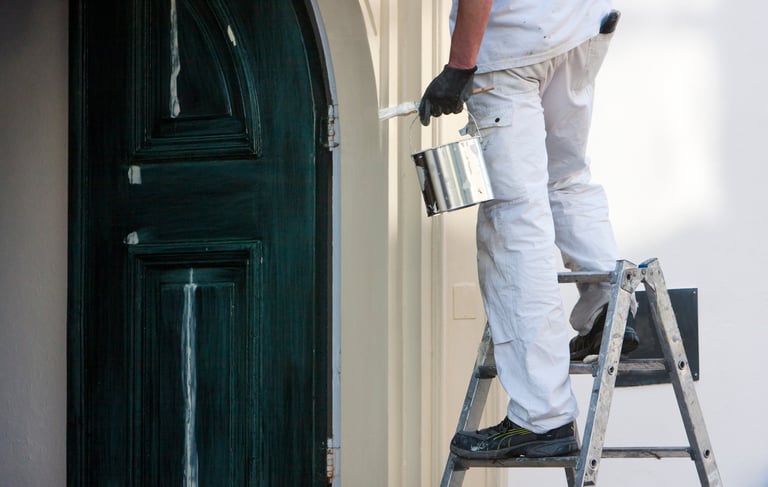
Ideal weather for exterior painting and staining sits in the sweet spot of 50–85°F (10–30°C) with moderate humidity and stable, dry conditions. Paints and stains cure best when temperatures stay consistent through the day and night, so avoid days with big swings or overnight lows below 40–45°F (4–7°C). Direct sun can cause flashing and lap marks, while high humidity slows dry times and affects adhesion. For stain, slightly warmer temperatures help penetration, but extreme heat above 90°F (32°C) can cause the product to dry too fast. Aim for mild temperatures, light wind, and a clear forecast for at least 24 hours — it gives your coating the best chance to level, bond, and cure properly.